
Dr. Lydia Carpenter
Patch Testing
Available at our Santa Clarita location
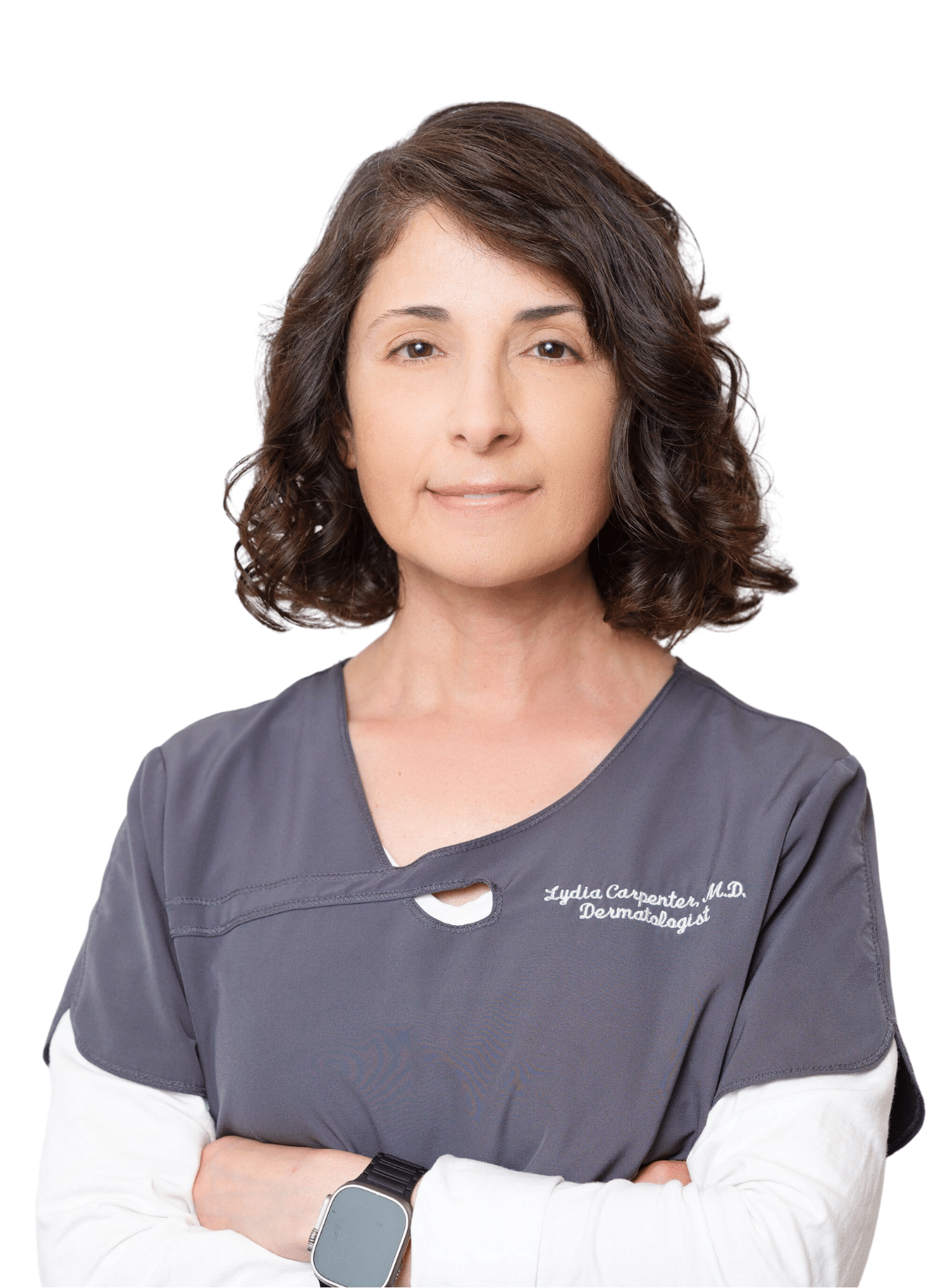
Learn More about Dr. Carpenter
Dr. Lydia Carpenter is a board-certified dermatologist who earned her medical degree from Harvard Medical School. She completed her dermatology residency training in the U.S. Air Force in 2008 and is a member of the American Academy of Dermatology and the American Contact Dermatitis Society.
A medical doctor specializing in dermatology, Dr. Carpenter works at Skin & Beauty Center, serving Santa Clarita Valley and beyond.
Certified by the American Board of Dermatology, she evaluates medical conditions in all ages.
Dr. Carpenter has extraordinary expertise in patch (allergy) testing for contact dermatitis, and she believes in giving you the knowledge and tools you need to help cure this common, sometimes disabling, condition. While many other providers test to only 35 substances, Dr. Carpenter's initial test panel includes 80 substances, giving you a much better chance of identifying what's causing your rash. At the end of testing, Dr. Carpenter also takes the time to create a personalized safe list of products that are free of the ingredients you're allergic to.
What is Patch Testing?
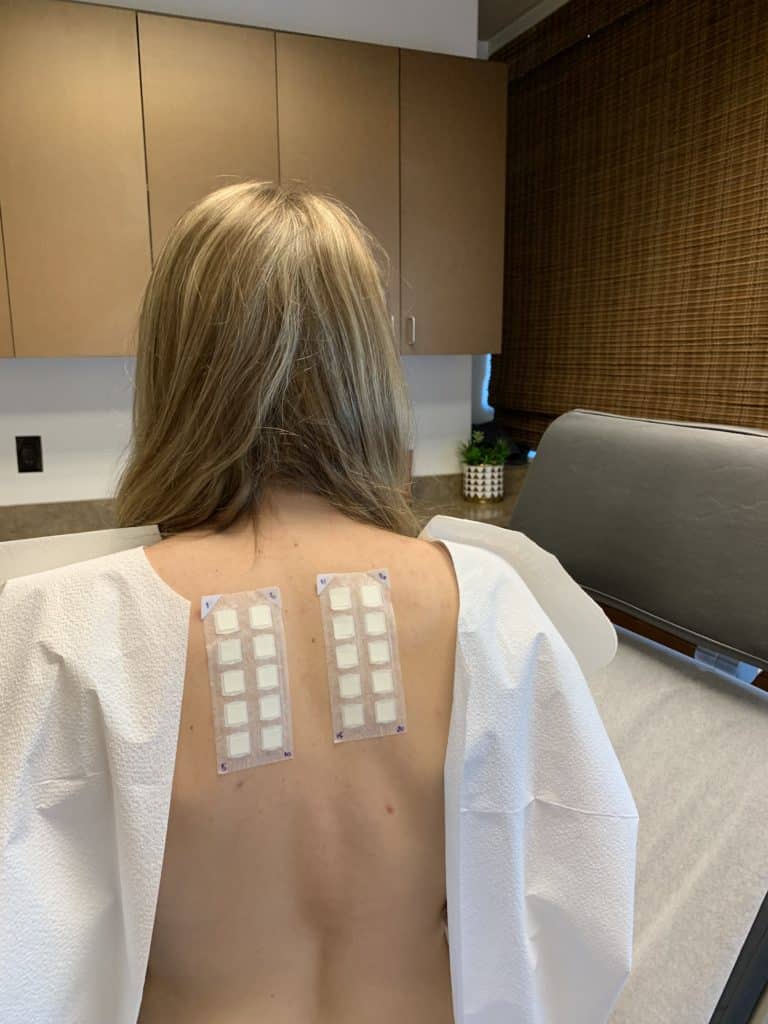
Patch Testing is a reliable, easy way to diagnose allergic contact dermatitis. It is designed to help your doctor find out whether you are allergic to the substances included on the test panels (shown in the table below). The test panels contain 80 different substances known to cause allergic contact dermatitis.
How does patch testing work?
You wear the panels (on your back or an alternative site) for 2 days. Do not remove the panels unless your doctor tells you to do so. You will return to the office to have the panels removed. Allergic reactions can visibly come and go at the test sites over different time frames, so every visit during the 1 week testing process is important. Otherwise, some allergies can be missed.
What activities should I avoid while being patch tested?
You must be careful NOT to get the panels or the surrounding skin wet. This can cause the panels to loosen, wash away the test substances or marking ink. To avoid this:
- After the patches have been removed, you can let the test sites get wet in the shower, but do NOT rub or scrub the sites until after the final visit.
- Avoid getting the panels or the surrounding skin wet while exercising or participating in activities that may cause you to sweat, such as vigorous exercise.
- Avoid sun exposure both before and during testing. Sun (even if you just tan and don't burn) temporarily weakens your immune system and could keep your allergies to the test substances from showing on your skin.
If an area of the test panel does become loose, use hypoallergenic adhesive tape to reattach them to your skin in exactly the same position as before. Apply tape only around the outside edge of the panels. If you're concerned that any test substances is NOT making full contact with your skin, or that substances have shifted and possibly mixed together, then please contact the clinic as soon as possible.
What should I do if my skin itches or burns while wearing the patch testing?
If the itching or burning becomes severe, you should contact your doctor immediately.
What reactions will alert my doctor?
At each skin reading, your doctor will carefully examine the test area for signs of an allergic reaction. It may look like a small skin rash with swelling, redness and tiny blisters.
When will my patch testing results be known?
Your doctor will discuss your results with you during your last appointment.
If I am allergic to a substance on the patch test, what should I do?
If you test positive, your doctor will explain which substance you are allergic to and talk to you about how to avoid contact. Your doctor will provide information about:
- Where the substance can be found at work and at home;
- What products are likely to contain this substance;
- Steps you can take to avoid this substance; and
- Alternative products you can use that don't contain this substance.
What does a negative test result mean?
Negative results are common. There are several possibilities for this:
- Something other than an allergy is causing your rash.
- An allergy might be contributing, but the test concentration was not high enough to bring out a reaction.
- Reactions might have been suppressed by medication or sun exposure
- Although the 80 substances in the American Core Series are the most common ones that people are allergic to, there are many other potential allergens. Some patients might need additional testing to determine if they're also reacting to less common substances.
It is very important that you keep all appointments. Your doctor needs to see your skin and check for signs of an allergic reaction in the test area.
Patch Testing at Our Santa Clarita Location
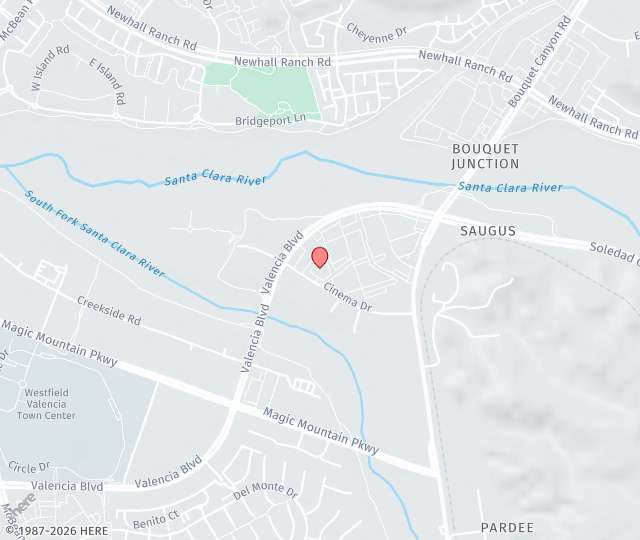
23501 Cinema Drive #111
Santa Clarita, CA 91355
Phone: 661-258-3811
Contact Us
- Burbank Burbank, CA Call Burbank (818) 842-8000
- Northridge Northridge, CA Call Northridge (818) 886-3884
- Glendale – South Glendale, CA Call Glendale – South (818) 246-4936
- West Hills West Hills, CA Call West Hills (818) 884-8044
- Santa Clarita Valencia, CA Call Santa Clarita (661) 258-3811
- La Cañada - Verdugo Hills La Cañada, CA Call La Cañada - Verdugo Hills (818) 790-3588
- Pasadena Pasadena, CA Call Pasadena (626) 792-2378
- Westlake Village Westlake Village, CA Call Westlake Village 805-725-6414
The form is loading. If it does not appear, call (877) 822-2223.